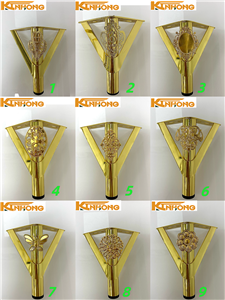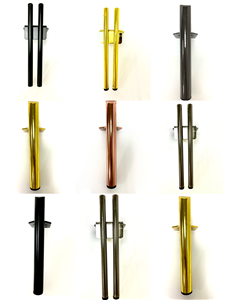
sofa handle
-
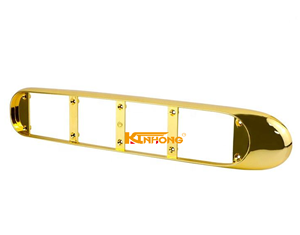
sofa decorative buckle for sofa decorative hardware furniture with sofa button
Elevate Your Living Space: The Art of Sofa Arm Decor Is your living room missing that final touch of personality? Look no further than your sofa. While cushions often steal the spotlight, the humble sofa arm presents a golden opportunity for creative expression. More than just a functional edge, it’s a blank canvas waiting to transform your entire room. Thoughtfully decorated arms add layers of texture, color, and sophistication, turning ordinary seating into a statement of curated comfort and style. Why Decorate the Sofa Arm? Think of your sofa as the anchor of your living room. Decorating its arms is like adding exquisite jewelry to a classic outfit—it elevates the whole ensemble. This simple act draws the eye, creates visual interest, and makes your space feel intentionally designed. It’s a subtle yet powerful way to infuse warmth, personality, and a lived-in elegance that feels both luxurious and inviting. It tells your guests that you care about the details. A World of Styling Possibilities The beauty of arm decor lies in its versatility. Here are inspiring ideas to suit every aesthetic: 1. The Drape & Layer: This is the ultimate in cozy sophistication. Drape a soft, chunky knit throw or a finely woven textile casually over one arm. Choose a material that contrasts beautifully with your sofa’s upholstery—think a creamy linen on a charcoal grey sofa or a richly colored velvet on a neutral fabric. For a bohemian or layered look, add a smaller, patterned sheepskin or faux fur on top. 2. The Tray Moment: Introduce function and form with a stylish tray. Place a small, elegant tray (in wood, lacquer, or rattan) on a wide, flat arm. This instantly creates a versatile mini-surface for a teacup and book, a small vase with a single stem, or a scented candle. It’s practical, polished, and perfect for modern living. 3. The Stack of Stories: For the book lover, nothing beats the charm of a carefully curated stack of beautiful books. Choose volumes with appealing spines that complement your color scheme. Top the stack with a small object: a minimalist vase, a unique geological specimen, or a petite framed photograph. This adds intellectual charm and a personal touch. 4. The Lush Life: Bring nature indoors. Place a small potted plant (like a graceful orchid, a sleek succulent, or a trailing pothos) or a slender vase with fresh greenery on or beside the arm. This injects vitality, freshness, and a serene, organic energy into the space. 5. The Pillow Accent: Don’t limit throw pillows to the back. Place one or two smaller, accent pillows against the arm. Mix shapes (a lumbar pillow works beautifully) and textures to create depth and invite extra comfort for curling up with a good read. Pro Tips for a Perfect Look: · Balance is Key: Decorate one arm, or both symmetrically for a formal look, or asymmetrically for a dynamic, casual feel. · Mind the Scale: Ensure your decorative objects are proportionate to the size of the arm. A large, overstuffed arm can handle more, while a slim arm needs something delicate. · Color & Texture Play: Use your decor to either harmonize with your existing palette or introduce a captivating pop of color. Mix materials—wood, ceramic, wool, metal—for a rich, tactile experience. · Edit Ruthlessly: The goal is curated charm, not clutter. Start with one or two elements and build from there. Leave enough space for people to use the sofa comfortably. Ultimately, sofa arm decor is about more than aesthetics; it’s about crafting an experience. It’s that inviting throw you reach for on a cool evening, the perfect spot for your evening tea, or the graceful detail that makes your room feel complete. It’s these considered layers that transform a house into a home—a home that is uniquely, beautifully yours. Ready to redefine your comfort? Begin with the arm of your sofa, and watch your living space transform.
Email Details -
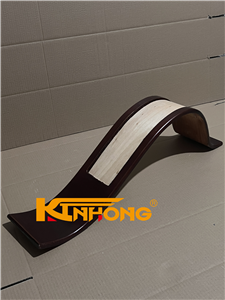
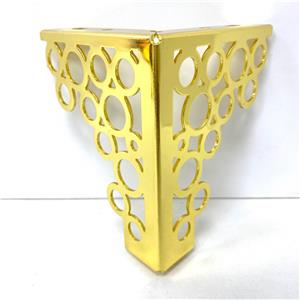
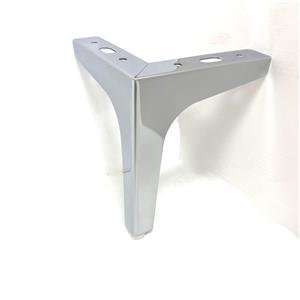
Plywood Sofa Arm Armrest Sofa Leg Base Part Handle
The Role and Function of Wooden Sofa Arms The sofa is the centerpiece of most living spaces, and its wooden arms are often the most overlooked yet crucial component. They are far more than mere decoration; they perform multiple essential roles, serving as structural supports, functional utilities, facilitators of social interaction, and key elements of aesthetic expression. I. The Structural Foundation: The Invisible SkeletonWooden arms are an integral part of the sofa's internal frame. Securely joined to the front legs and seat rail via mortise-and-tenon or bolt fastenings, they form a stable box-like structure. This triangular force distribution effectively bears the various stresses generated by sitting, reclining, and leaning, preventing the sofa frame from deforming or wobbling and ensuring long-term stability and safety. Furthermore, wooden arms act as anchor points for the sofa's internal support system. The webbing or spring system for the seat cushions is often fixed to the arm frame, making it a key component of a unified load-bearing structure. They also provide a solid substrate for attaching the multiple layers of padding (foam, down, etc.) on the arms, collectively shaping the final comfort and form. As the outermost contact points, the arms endure the most daily wear and tear—levering force when sitting down or standing up, constant leaning, and accidental bumps. The sturdy wooden structure acts like a "bumper," absorbing impacts first and protecting the softer upholstered body of the sofa, significantly enhancing the furniture's overall durability. II. The Practical and Social Hub: Shaping Behavior and Interaction The design of wooden arms directly influences the sofa's comfort and the social dynamics it fosters. Their practical function is evident in providing a stable, easy-to-clean surface. For placing teacups, books, or electronic devices, a wooden surface is more stain-resistant and heat-tolerant than fabric or leather, transforming the sofa into a truly multi-functional living hub. From an ergonomic perspective, the height, width, and pitch of the arms are crucial. Properly proportioned arms provide essential support for the arms and shoulders when leaning sideways or backwards, reducing spinal pressure and aiding users in getting up easily. Their shape also guides usage: inwardly curved arms offer a sense of embrace, encouraging relaxation and lounging, while vertical, stiff arms suggest a more formal, upright posture. More importantly, arms are silent planners of space and relationships. They delineate relatively independent personal zones within a shared sofa, providing a subtle sense of boundary and privacy, ensuring comfort even in close seating. Conversely, a chaise longue or a sofa with one open end breaks this boundary, explicitly inviting people to stretch out and relax completely. Therefore, the configuration of the arms (presence, height, style) directly shapes the social patterns around the sofa, fostering conversation or creating distance, all embedded in its design language. III. The Aesthetic Soul: The Defining Element of Style Wooden arms are the sofa's most distinctive stylistic signature, the concentrated expression of its design language, era, and craftsmanship. First, they determine the sofa's overall silhouette and character. High, scrolled Queen Anne arms convey classical elegance; low, sleek straight-line arms are a declaration of modernism; the flowing curve from arm to crest rail showcases the classical rhythm of a camelback sofa. The shape of the arm is the first clue to identifying its style. Second, they are a stage for showcasing material and craftsmanship. The choice of wood itself tells a story: the depth of walnut, the rugged grain of oak, the淡雅 of maple, or the eco-conscious feel of bamboo. The treatment of the wood is a direct expression of style: Carving: Elaborate Rococo carvings, Chinese-inspired openwork, or clean Arts and Crafts cuts each mark a different era and aesthetic. · Turning: Spindle arms carry a colonial flair; slender, tapered arms hint at Scandinavian or Bauhaus influence. · Joinery: Exposed mortise-and-tenon joints (as in Ming-style or Mission furniture) elevate the structure itself into an aesthetic. · Finish: A high-gloss lacquer proclaims modern luxury, an oiled wax finish highlights natural texture, while painted finishes can easily integrate with or accentuate a room's color scheme. Ultimately, wooden arms play the role of a bridge connecting furniture to interior architecture. They can echo the tones of flooring, window trims, or other wooden furniture, harmoniously "anchoring" this large upholstered piece within the hardscape environment—an advantage that fully upholstered arms can seldom match. Conclusion In summary, wooden sofa arms are a design paradigm integrating structural support, practical function, ergonomics, social planning, and aesthetic core. They ensure the sofa's sturdiness from within and define its visual character and interactive mode from without. In contemporary design, while their forms continue to evolve—from minimalist steel-wood combinations to asymmetric creativity—their core value remains unchanged. Choosing a sofa is, in essence, choosing the character of its arms—a decision that will profoundly influence the comfort, aesthetics, and daily interactions of home life for years to come.
Email Details